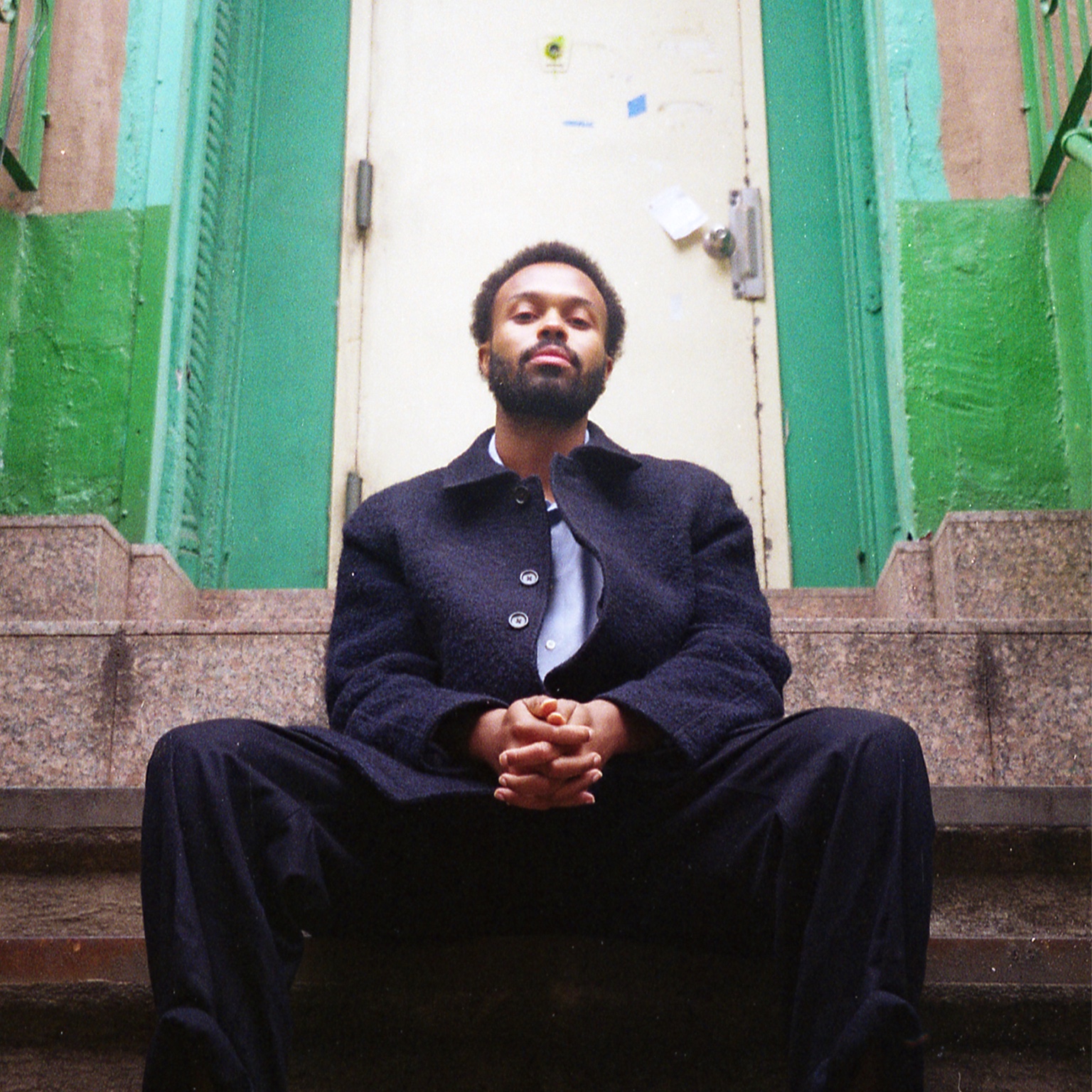
A portable speaker, a train ride and somewhere to be. Adé Hakim recalls taking music onto the subway with MIKE before they had a gig to play. Years later, he returned to the trains with a more structured show and the same impulse to create an opportunity.
In this conversation with STURDY, Adé reflects on the early sLUms years, working with Earl Sweatshirt, the pressure around commercial success and the community he wants to keep connected. He also talks about THE BRIGHTER SIDE OF HISTORY and the people he wants more listeners to know.
You’ve been part of New York’s underground music scene for years. When you look back at the younger version of yourself coming up in the Bronx, what do you think he would make of everything you’ve experienced and created so far?
At the age of 15 I’ve always seen visions of commercial success being attained through Hip-Hop, it always seemed destined. The problem was I never favored the ideas of what commercial success was attached to. I believe my 15 year old self would commend the 28 year old me for never selling out. At that age, that was one of my biggest concerns about being a Hip-Hop artist, how easy (and often celebrated) it is to sell out for profit.
You were part of sLUms, a collective that helped shape a particular era of underground hip-hop. Looking back now, what do you think made that period special, and is there anything about that creative environment you wish more artists experienced today?
Man… anytime I go to an underground Hip-Hop show I see the fruits of [sLUms]. And I’s labor. In retrospect, It truly was a short-lived era of total harmony between the group members (2015-Mid 2017). However, the impact the brotherhood had on my life will always be treasured. What made it really special is that my friend MIKE lived in the Bronx not too far from my childhood home. Most of my friends prior lived downtown and didn’t share the same commute. Those train rides prompted a lot of brainstorming for the collective’s next moves. It was a special time where MIKE and I became a prominent duo.
You’ve worked with artists like Earl Sweatshirt, but you’ve also continued building independently. What has staying independent allowed you to do creatively that you might have lost by following a more traditional industry path?
I would’ve loved to work with Earl Sweatshirt for the rest of my career. But at times, the way other people compete for that privilege had nothing to do with music or creative ideas whatsoever. I’ve always been motivated by the amazing art that could come out of the relationship rather than the clout. I wasn’t going to allow myself to force a connection that’s not going to happen naturally. I’m proud to say the work that we have out happened organically! That’s what being independent is all about, organic growth.
“I’ve always been motivated by the amazing art that could come out of the relationship rather than the clout.”Adé Hakim
I’ve been seeing the performances happening on the NYC trains, and I love the idea of bringing music directly to people. What inspired you to start doing that, and what has the response taught you about how people connect through music?
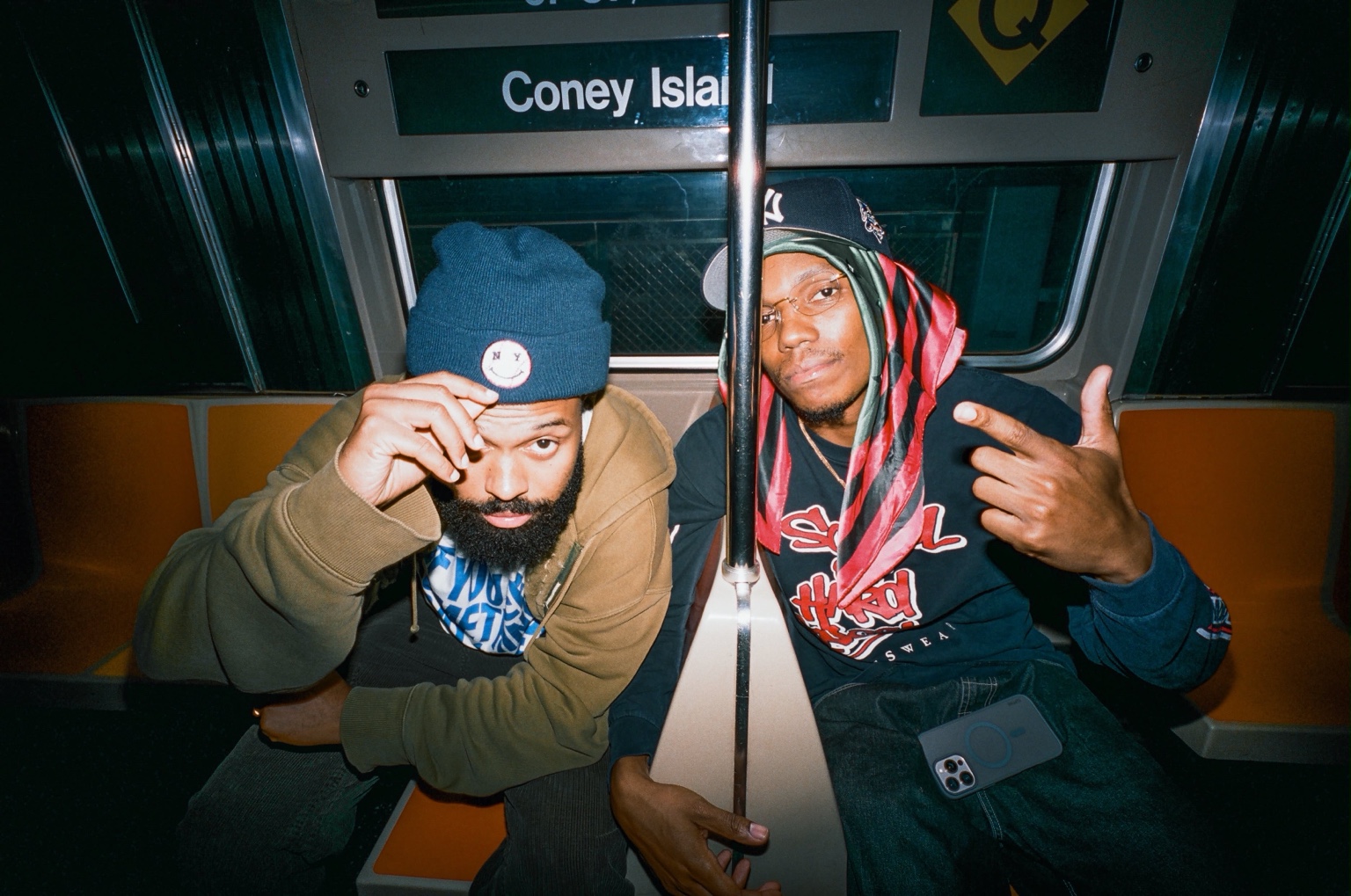
In 2015 early [sLUms]. days before we ever had a gig, MIKE and I took a portable speaker with us and would freestyle on the train from The Bronx to wherever our destination was that day. The philosophy was ‘instead of waiting for a show opportunity to come to us in NYC, we will create the opportunity and bring the show to NYC wherever we go’. We often got the validation we sought for from fellow commuters until we eventually scored our first gigs.
Fast forward to 2019, although MIKE was now critically acclaimed and I had already landed my album placement for Earl Sweatshirt, I ran into similar struggles of being booked in NYC. My belief at the time was promoters grew complacent in only booking MIKE because he was the industry star of the group. Since the attention shifted away from the group , I took it upon myself to create the show opportunity (just like in 2015). It felt like an ode to the organic come up to do a train show. This time around with more recourses, and structured like a traditional venue show.
There’s something powerful about turning an everyday subway ride into a shared cultural experience. Do you see these performances as something bigger than live music? What kind of community are you hoping to create through them?
I didn’t want to keep doing these at first, I was worried about being boxed into this singular concept and not being seen as someone who can provide value elsewhere. But I now understand that this is an experience that is not just for me but for everyone on the train with me (Artist, fan, random commuters). I am now more willing to surrender to this roll and use this concept to keep the spark alive for the underground community in NYC.
In a previous interview, you spoke about living through a modern renaissance and encouraged artists to explore more than one creative discipline. Do you still feel we’re living through that kind of period? How has your understanding of being an artist changed since then?
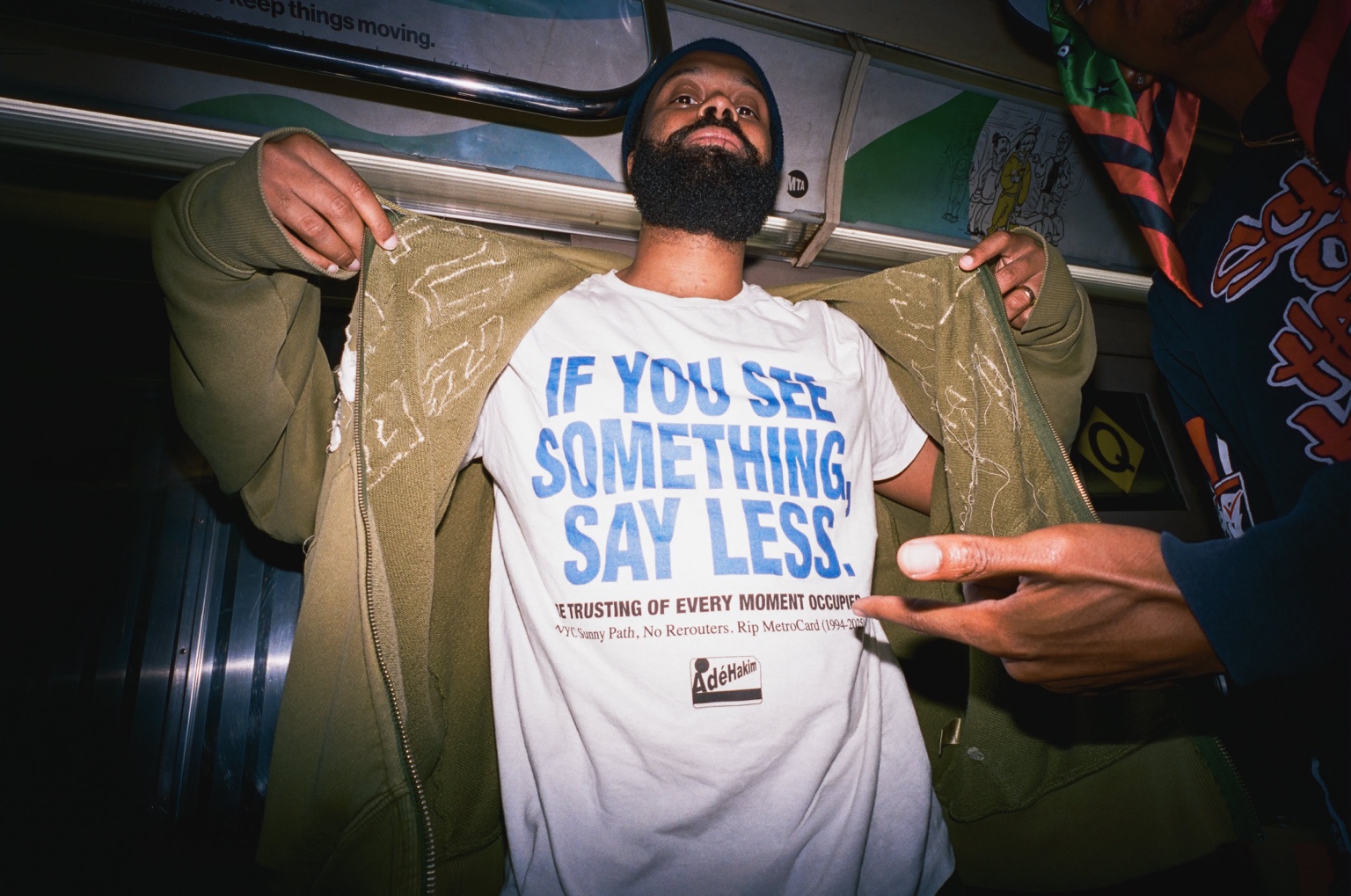
Oh yeah we are most certainly living in modern day renaissance, there was an omen disguised as NYC stranger in my life who shared prophecies that I took very seriously. They told me that a Renaissance would come and we were the generation in lead. From there on I took it upon myself to be the living embodiment of the cultural renaissance. Many people know me for my production due to producing for legendary rappers like MIKE and Earl Sweatshirt, but I quite literally do it all (self producing and mixing albums, video editing, hand made merchandise, garment making, and of course curating memorable events). Being an independent artist in the modern day renaissance period has blessed me with opportunities to apply a little bit of everything.
You’ve watched underground music evolve through streaming, social media, and the increasing visibility of independent artists. What do you think today’s generation of creatives has gained, and what do you think they’re missing?
All I will say is these phones are either your greatest tool or biggest distraction. It can be your source of inspiration or an endless comparative struggle.
“All I will say is these phones are either your greatest tool or biggest distraction.”Adé Hakim
Your music has gone through different eras, names, and sounds. How do you know when it’s time to evolve creatively? Is there anything you’ve had to unlearn about yourself as an artist?
Stylistically, I’m constantly seeking to outdo myself. Which isn’t always a good thing because right when a fan catches onto a wave i was on, I already switched up on them. I think right now I want to provide the people with the sounds that famously define me instead of running away from it.
Your latest album, THE BRIGHTER SIDE OF HISTORY, feels like an interesting title given everything happening around us. What does that title mean to you, and what were you trying to express through this project?
Covid man… it was a dark time that I’m so happy to move forward from. But shockingly enough those years were the best and happiest years of my life. However, it felt like the masses wouldn’t allow me to be visibly happy in those times because everyone had already subscribe to the negatives of it all. THE BRIGHTER SIDE OF HISTORY was a fight for positivity. Our spirits are constantly at war with public perception, and societal pressures. My music and platform at the time was fully a tool to uplift and enlighten the fans around me. I believed in fighting for the truth as one day it will be the most profitable.
STURDY believes in paying attention earlier. You’ve spent years creating and collaborating within New York’s music community. Who are some artists, musicians, or organizers doing important work right now that you think people should be paying closer attention to?
Diani, Keenyn Omari, Israel Jones, Arthur Ingram, Melanie Charles, Jabari & Love Joy Boy (Spread Da Wealth chess group), DJ Alligator Man , Joe Chea (Come Uptown Studios), Urban Vegan Kitchen (Hip-Hop events with good dining options)
THE BRIGHTER SIDE OF HISTORY
The album Adé discusses in the conversation. Preview the tracks here, or open the release in your preferred service.
Use the player for track previews. Full playback may require signing in with the music service.
Open in Spotify ↗ · Open in Apple Music ↗ · Explore Adé’s Bandcamp ↗
Explore Adé Hakim’s Bandcamp catalog and Apple Music artist page.